As cities around the world grapple with traffic jams, parking shortages, and rising transportation costs, Tesla is set to deliver a bold vision for the future. On October 10, 2024, at Warner Bros. Studios in Los Angeles, Elon Musk and Tesla will host the 'We, Robot' event, unveiling the Cybercab—a purpose-built robotaxi designed for fully autonomous urban rides. This isn't just a product launch; it's a pivotal business move that could disrupt ride-hailing giants like Uber and Lyft while reshaping how millions live in bustling metropolises.
The Road to October 10
Tesla's journey to robotaxis has been years in the making. Since 2019, the company has invested billions in Full Self-Driving (FSD) software, accumulating over 1.3 billion miles of real-world data by early 2024. Recent FSD v12.5 updates have shown remarkable progress, with vehicles navigating complex urban environments with minimal intervention. Musk delayed the event from August to October to perfect the demo fleet, teasing a $20,000-$30,000 Cybercab price tag and rides costing pennies per mile.
The business case is compelling. Tesla envisions a fleet of 1 million robotaxis by 2026, generating high-margin software revenue. Analysts from Ark Invest project robotaxis could contribute $10 trillion to the global economy by 2030, with Tesla capturing a significant share. Shares of TSLA surged 5% in pre-market trading on October 4 amid hype, underscoring investor enthusiasm despite regulatory hurdles.
Redefining Urban Lifestyles
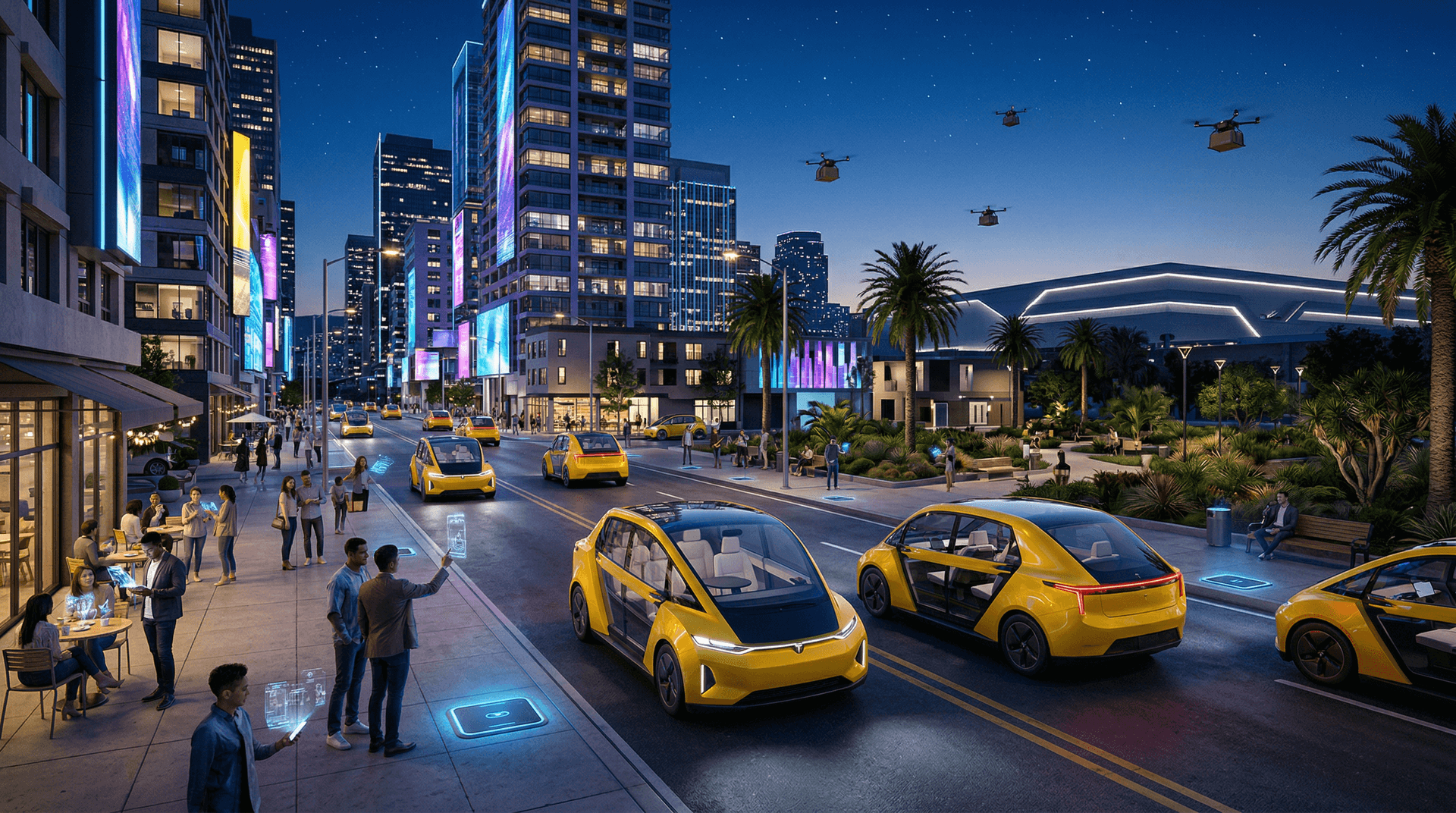
For urban dwellers, robotaxis promise liberation from car ownership. In dense cities like New York, San Francisco, and London, where parking spots rival real estate prices, the Cybercab could eliminate the need for personal vehicles. Imagine hailing a sleek, two-seater pod via the Tesla app, arriving silently at your door, and zipping through traffic using AI-optimized routes.
This shift aligns with contemporary trends in minimalism and sustainability. Younger generations, Gen Z and millennials, prioritize experiences over possessions—85% of whom, per a 2024 Deloitte survey, prefer ride-sharing to owning cars. Robotaxis reduce emissions by maximizing vehicle utilization; a single Cybercab could replace 10 private cars, cutting urban CO2 by up to 50% according to MIT studies on shared autonomy.
Businesses stand to benefit too. Real estate developers could repurpose parking garages into green spaces or housing, boosting property values. Restaurants and shops in walkable districts gain from increased foot traffic as seamless mobility encourages spontaneous outings. Co-working spaces like WeWork, still recovering from bankruptcy, might integrate robotaxi pickups to attract remote workers seeking flexible commutes.
Tech and Finance Under the Hood
The Cybercab's inductive charging—no plugs, just wireless pads embedded in streets—exemplifies Tesla's innovation. Lacking a steering wheel or pedals, it relies on Tesla's vision-only system: cameras, neural nets, and end-to-end AI trained on Dojo supercomputers. Safety data from 2024 shows FSD is 10x safer than human drivers per mile.
Financially, this is Tesla's pivot from EVs to services. Q2 2024 energy and regulatory credits propped up margins, but robotaxi networks promise 70-90% gross margins versus 20% on car sales. Musk projects $30 billion in annual profit from autonomy by 2027. Competitors like Waymo (Alphabet) operate ~700 robotaxis in Phoenix, but Tesla's manufacturing scale—Gigafactories churning out Optimus robots alongside vehicles—gives it an edge.
Yet risks loom. Regulators in California and Texas must approve unsupervised FSD; NHTSA probes continue. Investors eye valuation: Tesla trades at 70x forward earnings, betting on robotaxi moonshot over slumping EV demand amid high interest rates.
Implications for City Planners and Consumers
Urban planners are watching closely. Singapore and Dubai already test robotaxis; U.S. cities could follow, with robotaxi lanes and AI traffic signals. This fosters '15-minute cities,' where essentials are reachable in short autonomous hops, combating sprawl and loneliness epidemics.
Consumers gain affordability: Musk claims Cybercab rides at $0.20-$0.40 per mile, undercutting Uber's $2+. Ownership models evolve—buy a Cybercab and let it earn while you sleep, offsetting costs via Tesla Network.
Contemporary trends amplify appeal. With remote work normalized post-COVID, urbanites crave efficient, on-demand transport for hybrid lifestyles. Wellness-focused apps integrate with Tesla's ecosystem for stress-free commutes, syncing with wearables for personalized routes.
Challenges and the Road Ahead
Skeptics point to delays—Musk's timelines often slip—and competition from Cruise (GM), Zoox (Amazon), and Baidu's Apollo Go. Unionized labor in ride-hailing resists job losses for drivers. Ethical AI decisions in edge cases, like pedestrian dilemmas, demand transparency.
Still, October 10 marks a milestone. If demos impress, Tesla could deploy pilot fleets in California by 2025, scaling globally. For urban living, it's a step toward fluid, equitable mobility—less gridlock, more community.
In the business of modern life, Tesla's robotaxi isn't just tech; it's the infrastructure for tomorrow's cities. As we approach the unveil, one question lingers: Will Cybercab steer us into a driverless utopia, or hit regulatory potholes? Stay tuned—urban transformation accelerates.
Word count: 912