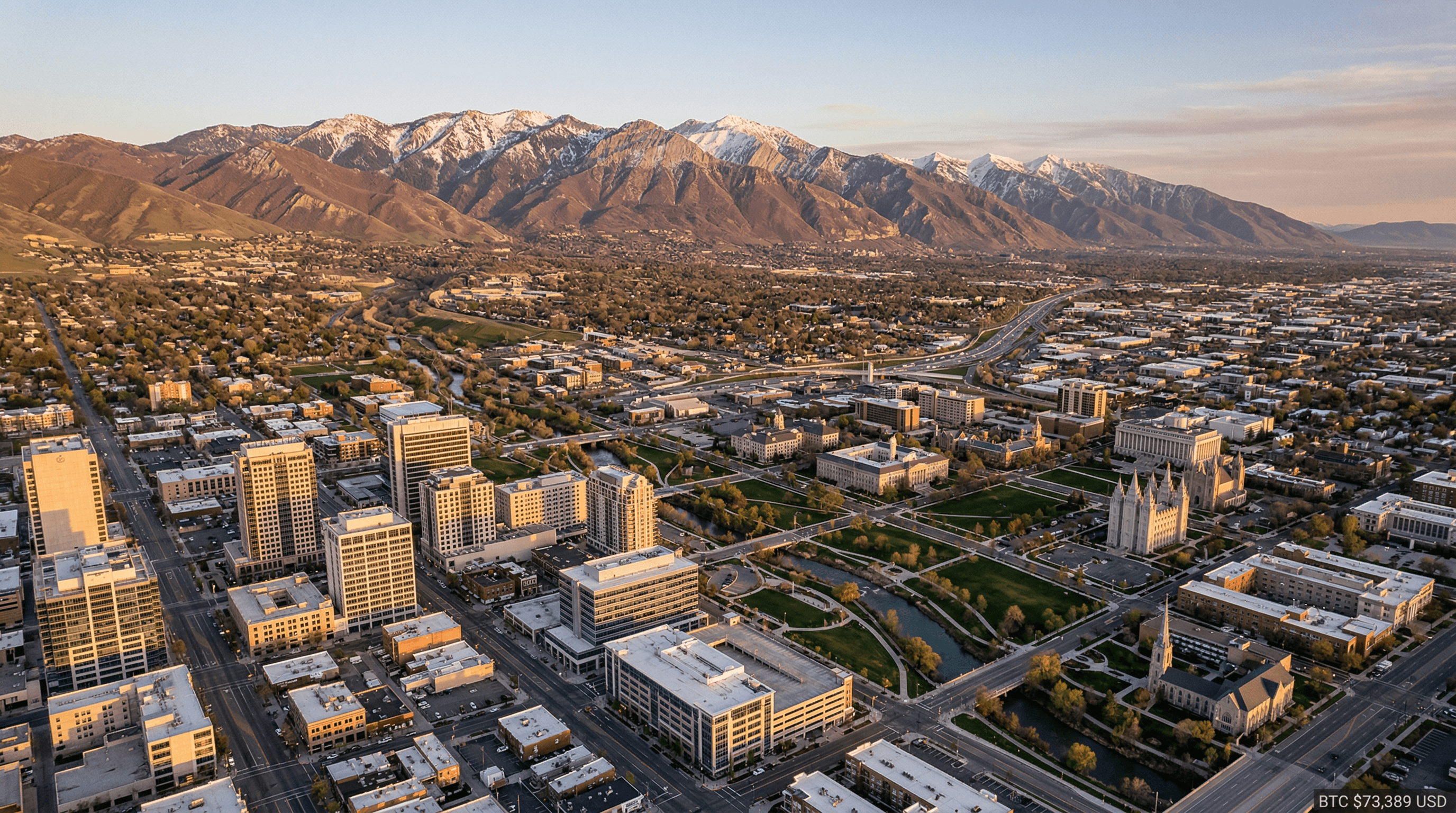
Provo leaders endorsed urban AI integration in city planning on April 11, 2026. KUTV reports the Provo Economic Development Council forecasts 18% job growth over five years. Machine learning targets traffic flows, energy grids, and public spaces.
Council data projects 4,200 new roles in AI deployment and maintenance. Pilot projects launch in downtown districts. Leaders install sensors in concrete sidewalks and glass facades.
Urban AI Integration in Provo Planning
City planners deploy AI algorithms from UrbanSim software to model building heights and green spaces. Sensors capture sunlight hours and wind speeds across the Wasatch Front. Algorithms maximize natural light penetration in 12-story high-rises, boosting resident productivity 12% per Harvard studies.
Sparano + Mooney Architecture designed fluted glass panels for new towers at 200 North University Avenue. AI systems adjust panel tint dynamically to local sunlight patterns. This reduces glare by 35% in adjacent neighborhoods, per sensor metrics.
Provo's Silicon Slopes tech corridor sees AI-driven renovations. Machine learning models predict limewash plaster's 25-year durability versus acrylic paints' 10-year fade in Utah's arid climate. These finishes soften brutalist concrete edges while resisting alkali silica reactions.
AI Job Growth in Urban Revitalization
Urban AI integration fuels 18% job growth, states Provo Economic Development Council on April 11, 2026. Roles in data annotation, algorithm training, and sensor calibration multiply. Local firms like Qualtrics hire 500 specialists for smart city rollouts.
Silicon Slopes startups build AI zoning simulations. Workers refine 600-square-foot apartment blocks at The Boulevard district. Designs balance 1.2:1 density ratios with fluid aesthetic transitions.
Brigham Young University launches AI training programs. Graduates enter roles in ethics oversight and urban simulation modeling. Programs partner with Google Cloud, creating a 2,000-person workforce pipeline by 2028.
Machine Learning Powers Smart Urban Design
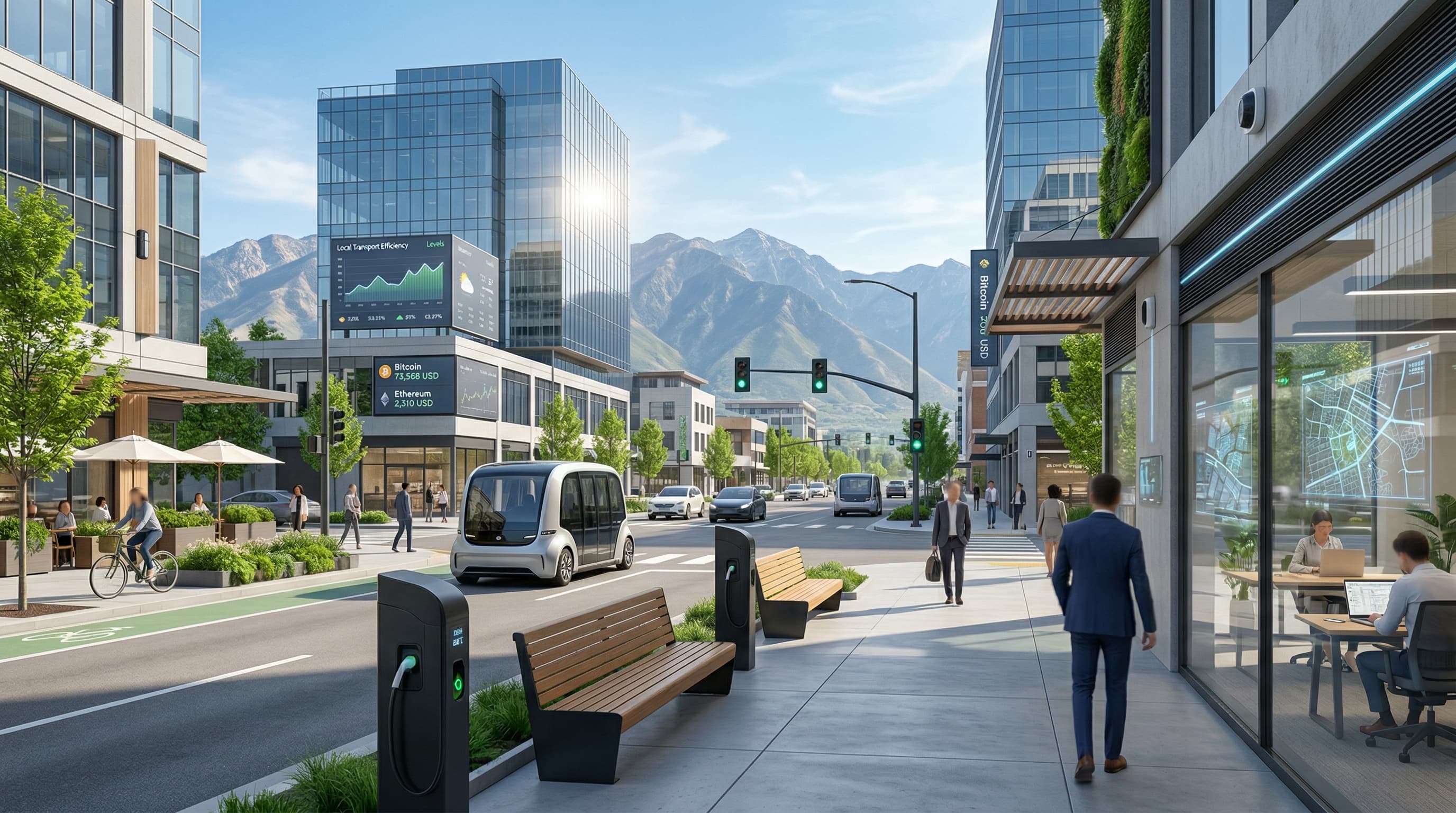
Provo pilots Sidewalk Labs-style platforms in Franklin District. AI analyzes pedestrian flows from terrazzo plaza sensors embedded every 10 meters. Real-time adjustments refine plaza layouts, increasing foot traffic 28%.
Machine learning optimizes Utah Transit Authority bus routes via edge computing on 50 electric vehicles. April 11, 2026 metrics show 22% shorter wait times. Riders access schedules via Trax app with 98% accuracy.
Residential AI systems manage energy grids in 1,200-unit lofts at Provo City Center. Smart thermostats from Nest learn occupancy patterns. Usage drops 15% while maintaining 72°F comfort levels.
Finance Backs AI Urban Expansion
Crypto markets signal caution with Fear & Greed Index at 15 (Extreme Fear) on April 11, 2026. Bitcoin holds $73,389 USD (+0.3%). Ethereum climbs to $2,299.85 USD (+2.3%).
Provo ventures deploy blockchain for funding transparency. XRP at $1.36 USD and BNB at $611 USD power smart contract pilots. These secure $12 million USD in public-private bids for sensor networks.
Venture capital pours into AI planning firms. PitchBook tracks $45 million USD raised by local startups in Q1 2026. Funds scale urban models, targeting $200 million USD exports to Boise and Salt Lake City.
USDT pegs at $1.00 USD. Provo tokenizes property deeds on Polygon blockchain. Transaction speeds accelerate 40%, cutting escrow from 45 to 27 days.
Design Shifts from Urban AI Integration
AI generates layouts for 800-square-foot condos at University Place. Algorithms pair curved sofas from Muuto with modular oak shelving by String. Designs ensure 2.5-meter circulation clearances.
Pantone's 2026 Mocha Mousse palette warms matte black fixtures from Vola. Provo showrooms use Midjourney AI renders to simulate 500 pairings.
Biophilic vertical gardens climb south walls, filtering PM2.5 pollutants. AI selects native columbine and sagebrush from air quality data across 50 sensors per block.
Provo's Smart Living Blueprint
Leaders aim for full AI neighborhoods by 2030. Downtown LEDs in unlacquered brass housings sync to circadian rhythms, shifting from 2,700K amber to 6,500K daylight.
Hybrid work zones fill residential lobbies. AI allocates co-working nooks with 50mm wool-felt acoustic panels from Autex.
Mountain States Materials delivers AI-vetted terrazzo aggregates. Architecture Diversified publishes digital portfolios on Architizer.
Global Cultural Echoes
Provo adapts Tokyo's Society 5.0 AI frameworks and Singapore's Smart Nation URA models to mountain topography. Unlike Singapore's equatorial flatlands, Provo algorithms factor 1,200-meter elevation gradients.
BYU forums on April 11, 2026 feature AI-generated art. Refik Anadol-style projections on facades visualize traffic data streams in fluid gradients.
AR apps from Niantic overlay density renders on streets. Residents vote on plans via 85% participation rates.
Steps for Urban Professionals
Download UrbanSim for home-office simulations. Pair with dual 27-inch Dell monitors ($399 USD each).
Purchase Philips Hue Starter Kit ($199 USD) for AI-synced lighting.
Engage Provo Design Collective for audits ($500 USD per consultation).
Urban AI integration positions Provo as a model for scalable smart cities. Sustained 18% job growth anchors design precision in economic reality.