On August 13, 2024, Home Depot released its fiscal second-quarter earnings, exceeding Wall Street expectations and painting an optimistic picture for the home improvement sector. With revenue hitting $43.9 billion—slightly above the forecasted $43.77 billion—and adjusted earnings per share of $4.70 topping estimates of $4.65, the retail giant underscored a stabilizing housing market and renewed consumer enthusiasm for renovations. For urbanites navigating compact city apartments and townhouses, this report isn't just numbers; it's a barometer of contemporary lifestyle shifts toward personalized, tech-infused living spaces.
Resilient Demand in a Challenging Economy
CEO Ted Decker described the quarter as a "turning point" for the housing market, noting sequential improvement in comparable sales, which dipped just 0.4% overall. While macroeconomic pressures like high interest rates have tempered big-ticket purchases, urban professionals and millennials are prioritizing value-driven upgrades. Categories like flooring, paint, and appliances saw pockets of growth, aligning perfectly with the push for multifunctional home designs that maximize small footprints.
In bustling metropolises like New York, San Francisco, and London, where square footage is at a premium, homeowners are reimagining spaces for hybrid work-life balance. Home Depot's data reveals surging interest in modular shelving, wall-mounted desks, and convertible furniture—essentials for creating home offices in living rooms or kitchens. The company's online sales channel, which grew 6% year-over-year, caters to this demographic, offering curbside pickup and same-day delivery ideal for city dwellers without garages.
Smart Home Tech Takes Center Stage
A key driver of the earnings beat is the integration of smart home technologies, a trend exploding in urban settings. Home Depot's expansion of its Honeywell and Google Nest partnerships has made connected devices more accessible. Matter-compatible thermostats, smart lighting strips, and security cameras are flying off shelves, enabling seamless control via apps—a godsend for renters customizing temporary homes without permanent alterations.
Consider the rise of "invisible" smart design: under-cabinet LED lights that sync with circadian rhythms, or voice-activated blinds for energy-efficient shading in high-rise condos. These innovations reflect broader contemporary trends, where urban living demands aesthetics meet functionality. Home Depot's pro segment, serving contractors for multi-unit renovations, grew 2%, fueled by apartment complex upgrades focusing on communal smart amenities like app-controlled elevators and EV charging stations.
Sustainability and Eco-Conscious Urban Renovations
Sustainability is no longer a niche; it's mainstream in city home design. Home Depot's report highlights strong performance in eco-friendly products: low-VOC paints from brands like Behr, recycled-content insulation, and ENERGY STAR appliances. Urban residents, facing rising energy costs and climate concerns, are investing in balcony solar kits, rainwater harvesting systems, and native plant vertical gardens—trends amplified by the company's robust inventory.
The Inflation Reduction Act's home energy rebates, now rolling out in many states, have supercharged this shift. Home Depot's specialized stores and online guides help navigate tax credits for heat pumps and insulation, making green upgrades affordable. In dense urban cores, where outdoor space is scarce, indoor herb walls and air-purifying plants are redefining biophilic design, blending nature with concrete jungles.
DIY Culture Thrives in Compact City Homes
The DIY boom persists, with Home Depot's rental tools—like compact saws and paint sprayers—seeing high utilization among urban hobbyists. Social media platforms overflow with #CityRenovation challenges, showcasing balcony makeovers and galley kitchen glow-ups using affordable big-box supplies. This quarter's uptick in seasonal categories, such as outdoor living (patio furniture up despite flat comps), signals preparation for fall gatherings in limited spaces.
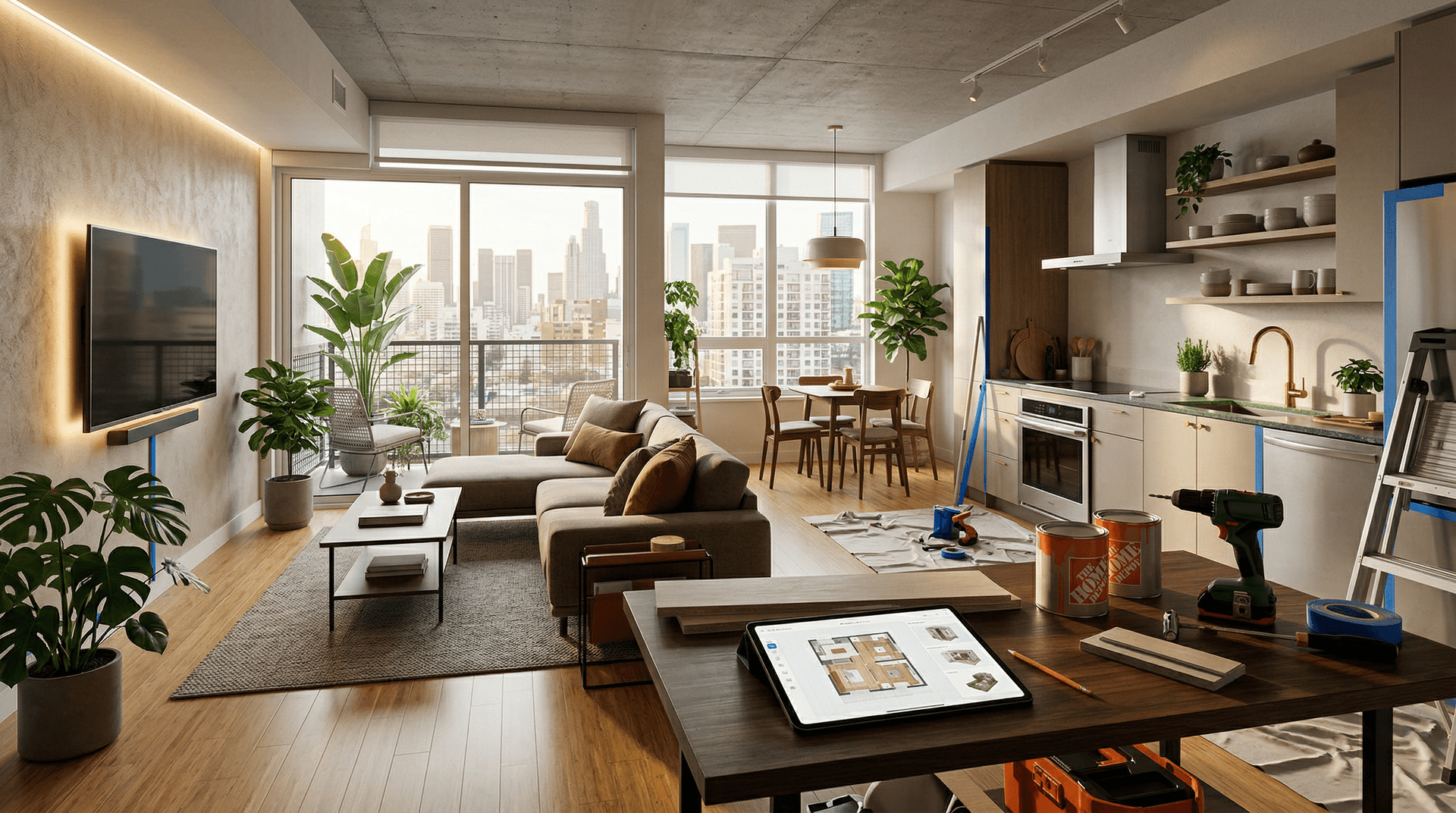
Workshops at Home Depot stores in urban hubs teach skills like installing peel-and-stick backsplishes or smart plugs, empowering renters to personalize without landlord issues. The earnings call emphasized digital tools like the Home Depot app's ProjectColor AR feature, letting users visualize paint shades in real-time—a game-changer for virtually staging micro-apartments.
Looking Ahead: Optimism for Urban Design Evolution
Raising its full-year guidance, Home Depot anticipates comparable sales of -2% to +1%, with EPS between $14.10-$15.10. This confidence stems from expected Federal Reserve rate cuts loosening housing inventory and spurring renovations. For urban lifestyle enthusiasts, it means more access to cutting-edge trends: AI-powered design software, 3D-printed custom fixtures, and antimicrobial surfaces post-pandemic.
As cities densify, home design evolves toward hyper-personalization. Home Depot's ecosystem—from in-store inspiration hubs to pro contractor networks—positions it as the go-to for contemporary urban living. Whether outfitting a studio with multifunctional Murphy beds or a brownstone with heritage-inspired smart lighting, the retailer's momentum promises a vibrant future for home & design.
In essence, these earnings affirm that urban homes are canvases for innovation. Amid economic flux, city dwellers are crafting sanctuaries that are smart, sustainable, and stylish—proving that great design thrives in any space.
Word count: 912