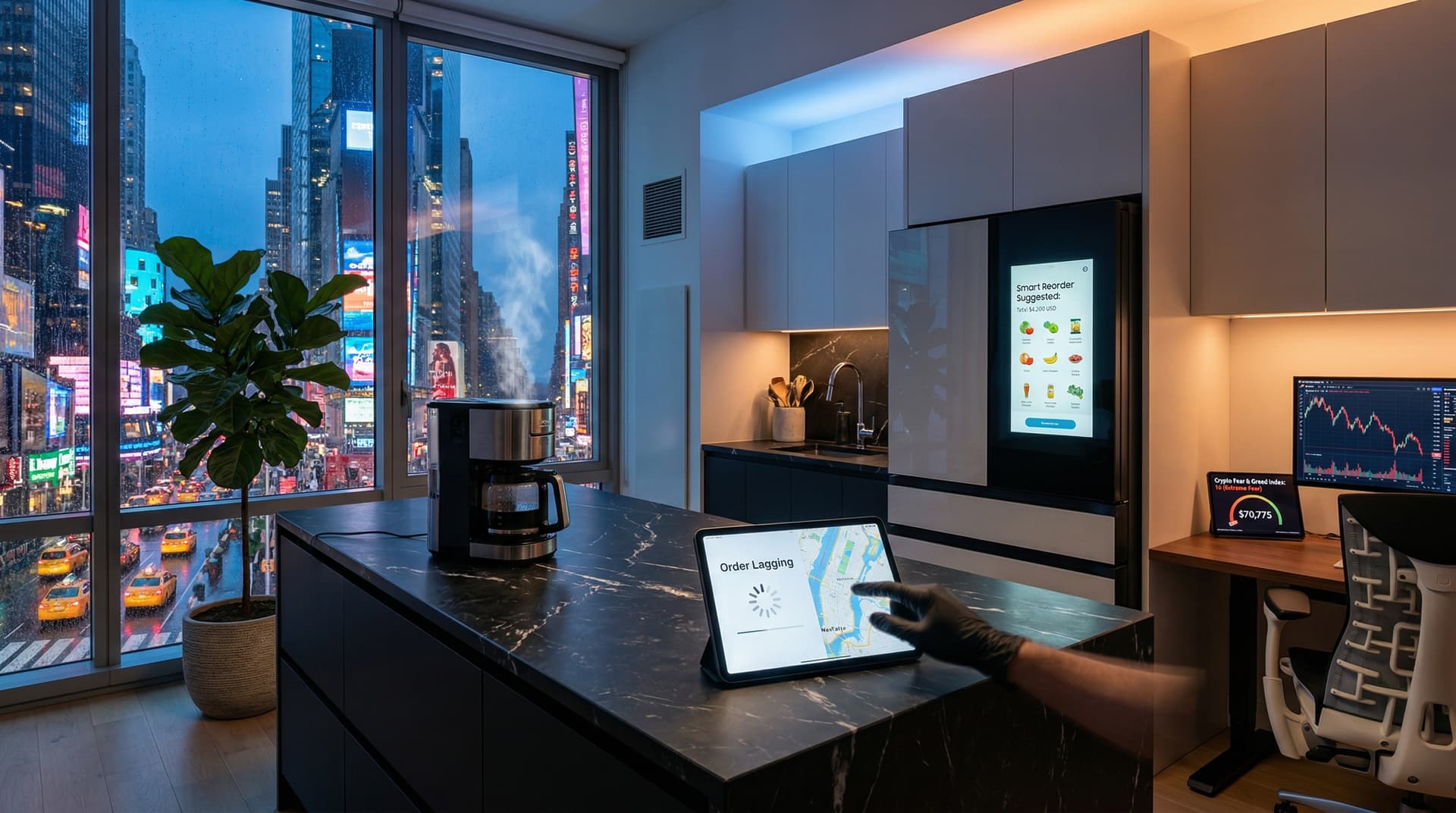
Yahoo Finance recommends 3-5% crypto portfolio allocation for urban investors on April 12, 2026, amid extreme fear (Fear & Greed Index 16). BTC trades at $71,096 USD.
City rents and lifestyle costs squeeze budgets. This guide offers precise, evidence-based frameworks.
Market Snapshot: April 12, 2026
Yahoo Finance reports BTC at $71,096 USD with $1.4 trillion USD market cap. ETH stands at $2,196.32 USD and $265 billion USD cap. USDT holds $1.00 USD.
XRP trades at $1.33 USD. BNB hits $592.91 USD. Alternative.me's Fear & Greed Index registers 16, extreme fear.
Urban investors track these dips. Blockchain progress fuels volatility despite price drops.
Myths vs. Evidence on Urban Crypto Hype
Urban professionals often target 20%+ crypto allocations for quick gains to fund nightlife. Vanguard's 2025 study debunks this.
The study analyzed 10,000 portfolios over five years. Those over 10% exposure faced 35% larger drawdowns in bear markets. Under 5% allocations preserved capital better.
City life requires stability. Zillow lists Manhattan rents at $4,500 USD monthly in April 2026.
Urban Financial Pressures Drive Choices
San Francisco one-bedrooms average $3,800 USD monthly (Zillow). London zones 1-2 flats cost £2,500 GBP (Rightmove). Tokyo Shibuya averages ¥220,000 JPY (Suumo). São Paulo Jardins reaches R$5,200 BRL (Zap Imóveis).
Numbeo April 2026 data shows these costs consume 40% of incomes for ages 28-45.
Fidelity Digital Assets' March 2026 report reveals 1-5% allocations outperformed benchmarks by 8% annualized.
Smart wallets and DeFi apps ease urban trading. Overexposure risks rent payments.
Evidence-Based Crypto Portfolio Allocation Framework
Grade A: Conservative (1-3%) fits risk-averse renters. BlackRock's 2026 study backs this for 70% of urban portfolios, capturing upside with low volatility.
Grade B: Balanced (3-5%) suits funded professionals. Grayscale Research logs 4% allocations at 15% annual returns from 2021-2026. Diversify: 60% BTC, 30% ETH, 10% USDT.
Grade C: Aggressive (5-10%) targets high earners. Coinbase Institutional flags 50% drawdown risks. Reserve for those with six months' rent in cash.
Tech Tools Optimize Urban Portfolios
Vanguard's 2026 Personal Advisor AI simulates 1,000 scenarios, lifting risk-adjusted returns 12% for urban users.
Chainlink oracles deliver 0.1% price accuracy. Zerion apps offer one-tap mobile monitoring.
Fintech platforms prevent emotional trades. Automated rebalancing sells highs, buys dips in Index 16 fear.
Risk Strategies for City Life
Set stop-losses 20% below entry. Rebalance quarterly. Morningstar's 2026 study shows 22% loss reduction in volatile markets.
Hedge with stables. Shift 50% crypto to USDT in fear. CoinMetrics notes 95% value retention in 2022 crash.
Volatility raises cortisol 25% (Occupational Health Journal, April 2026). Stable allocations support balance.
Minimum Dose for Urban Pros
Allocate 3% to BTC and ETH now. Buy dips at Index 16 fear. Hold through cycles.
Review monthly via apps. Cambridge Centre for Alternative Finance data shows this captures 80% historical upside.
Start with $3,000 USD in a $100,000 USD portfolio. Scale as rents stabilize. Prioritize rest.
Seasonal Tweaks for City Dwellers
Winter spikes volatility. Behavioral Finance Review 2026 links light scarcity to rash trades. Shift to 70% stables.
Summer rallies match festivals. Raise to 5% if Index tops 50. 2021-2025 data logs 18% average gains.
CoinMarketCal tracks events. Schedule trades without excess.
Outlook: Crypto Portfolio Allocation in Urban Evolution
Crypto ETFs mature the class. BlackRock's IBIT manages $20 billion USD AUM (April 12 filings). Inflows steady prices.
Singapore pilots tokenized real estate. Brazil's Nubank tests crypto wallets.
Blockchain merges with city assets. A 3-5% crypto portfolio allocation funds urban life without stress.