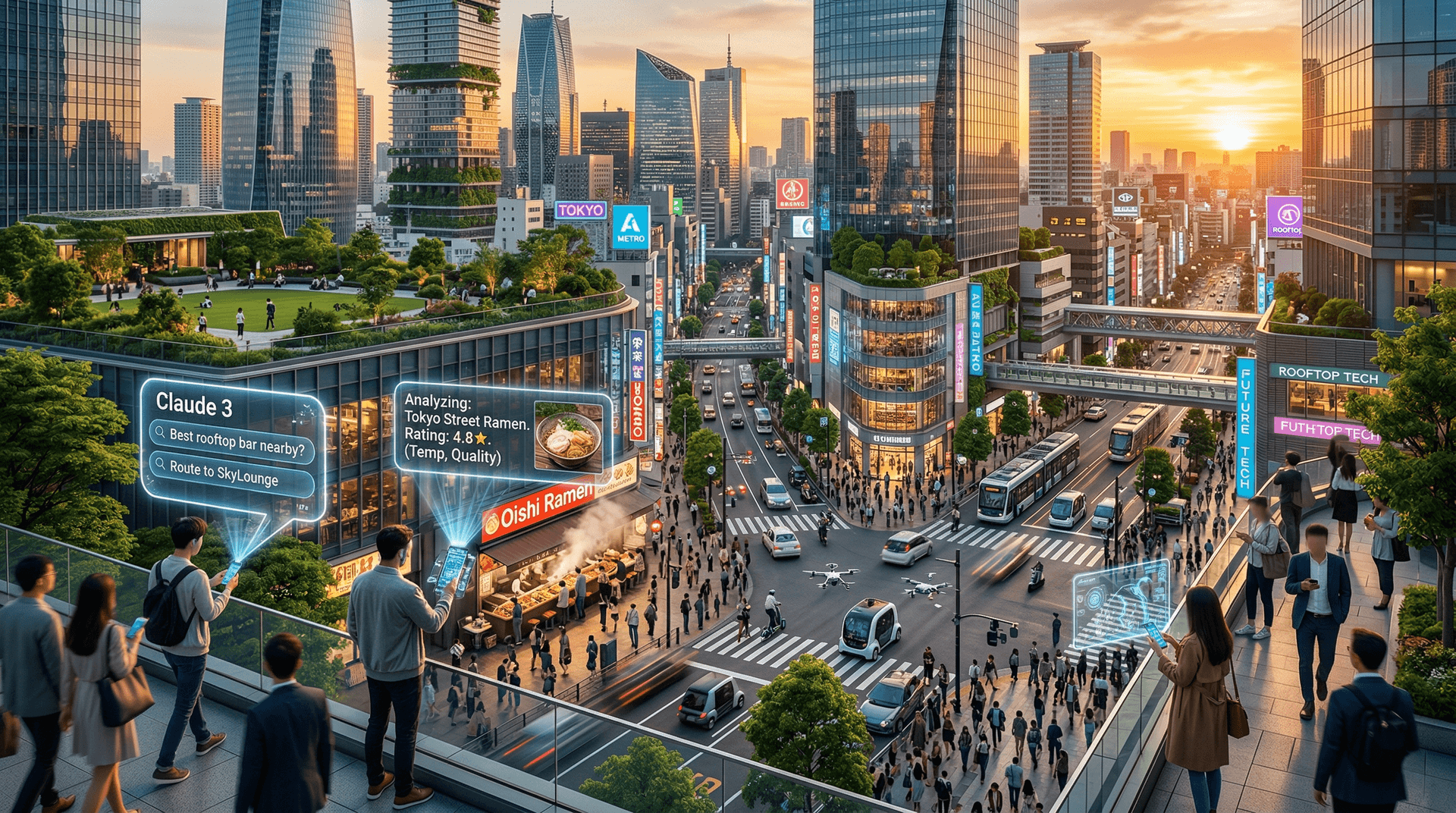
In the heart of bustling metropolises, where every second counts and information overload is the norm, Anthropic has dropped a game-changer. On March 4, 2024, the AI safety-focused company launched Claude 3, a trio of frontier models—Haiku, Sonnet, and Opus—that outperform previous benchmarks and rival top competitors like OpenAI's GPT-4. This isn't just a tech upgrade; it's a lifestyle evolution tailored for urban living, where contemporary trends demand AI companions that understand the chaos of city life.
Breaking Down the Claude 3 Family
Anthropic's Claude series has always prioritized helpfulness and harmlessness, but Claude 3 takes it further with massive scaling in compute and data. Here's the lineup:
- Claude 3 Haiku: The speed demon, optimized for low-latency tasks. Ideal for real-time urban queries like "What's the fastest route avoiding traffic to that pop-up art exhibit downtown?"
- Claude 3 Sonnet: Balanced performance for everyday use, now available via API. Perfect for professionals drafting emails or brainstorming content on the subway.
- Claude 3 Opus: The flagship, leading in complex reasoning. It scores higher than GPT-4 on graduate-level reasoning (GPQA), undergraduate knowledge (MMLU), and coding (HumanEval).
These models boast a 200,000-token context window—roughly 500 pages of text—allowing them to handle entire novels or lengthy legal docs without losing track. Multimodal vision capabilities mean they process images alongside text, a boon for visual urbanites snapping pics of menus, signs, or outfits.
Benchmarks speak volumes: Claude 3 Opus achieves 86.8% on GPQA (vs. GPT-4's 74.2%), 88.7% on undergraduate MMLU, and near-human levels on visual tasks like OK-VQA. In multilingual understanding, it tops charts, crucial for global cities like New York or London.
AI Meets Urban Lifestyle: Practical Transformations
Urban living in 2024 is defined by hustle—commutes, co-working spaces, food deliveries, and endless notifications. Claude 3 slots in as the invisible assistant enhancing these trends.
Smarter Navigation and Mobility
Imagine uploading a photo of your street view; Claude 3 identifies the exact bus stop, predicts delays using contextual data, and suggests eco-friendly bike-share alternatives. For electric vehicle owners in dense cities like San Francisco, it optimizes charging station routes based on real-time grid loads and personal schedules.
Personalized Wellness in the Concrete Jungle
Mental health is a contemporary urban crisis. Claude 3 Opus excels in nuanced conversations, offering tailored mindfulness exercises or therapy-like reflections without hallucinating advice. Pair it with wearables: analyze your step count image from a fitness app, then generate a customized yoga routine incorporating nearby parks.
Culinary and Social Trends
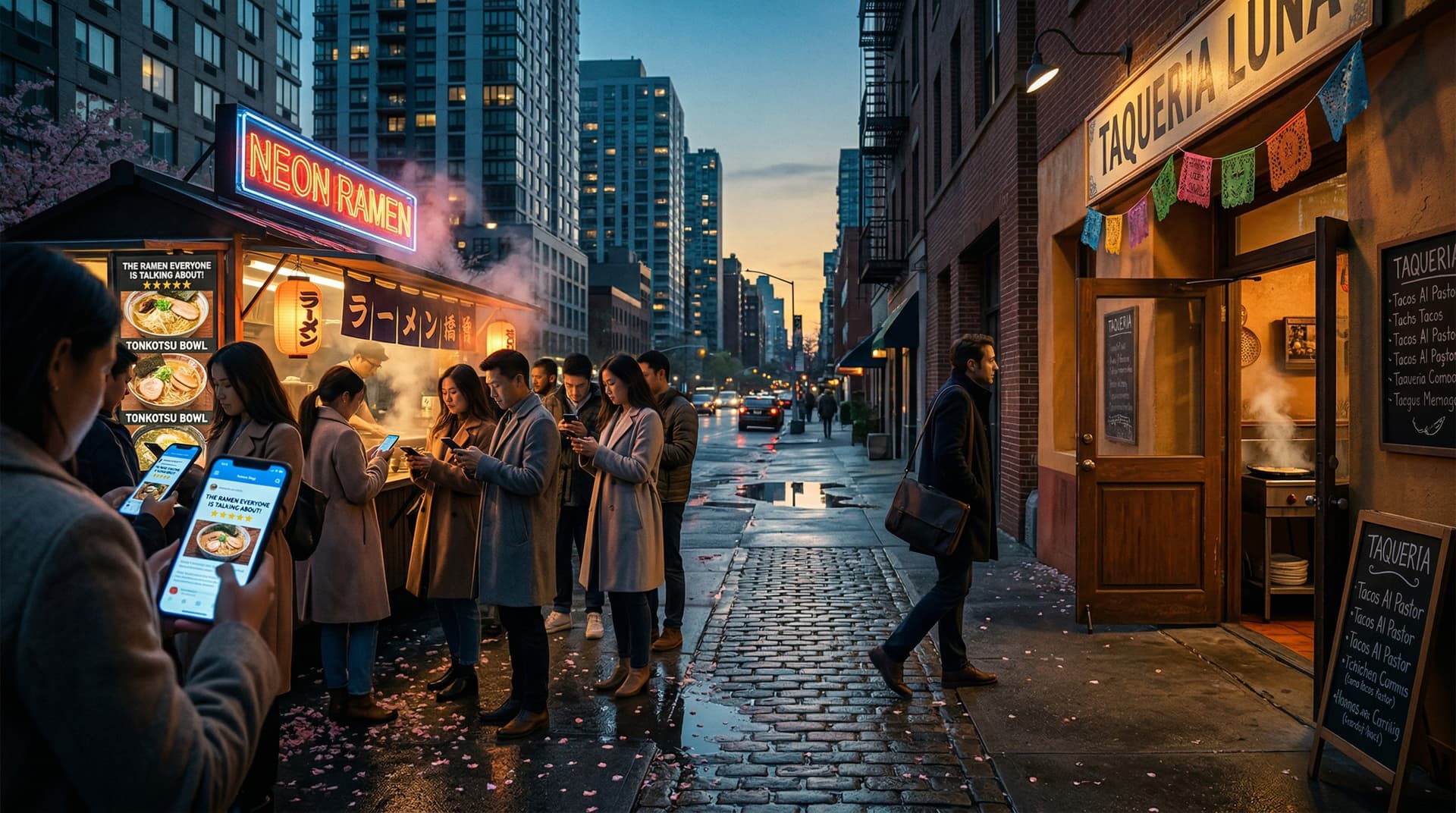
Urban foodies thrive on trends like farm-to-table or viral TikTok recipes. Snap a pic of market produce, and Claude 3 suggests dishes fusing local ingredients with your dietary prefs—vegan ramen from Tokyo imports in LA. For dating in the city, it crafts witty bios or conversation starters attuned to neighborhood vibes, like speakeasies in Brooklyn.
Productivity for Remote-Hybrid Nomads
Co-working cafes and third spaces are lifestyle staples. Claude 3's extended context helps summarize meeting notes from voice transcripts, draft reports, or even code simple apps for personal finance tracking amid rising city costs. Developers in tech hubs like Berlin can leverage its coding prowess for quick prototypes.
Safety and Ethics in a Crowded Field
Anthropic's constitutional AI approach shines: Claude 3 refuses 65% fewer unsafe requests than predecessors, with transparent reasoning traces. In urban contexts, this means reliable advice—no rogue suggestions for jaywalking shortcuts. Vision safety prevents misuse of image analysis, aligning with EU AI Act trends emphasizing high-risk categorizations.
Compared to Gemini 1.0 or GPT-4, Claude 3 leads in vision and reasoning while maintaining speed. Haiku rivals GPT-3.5 Turbo at a fraction of the latency, making it feasible for edge devices in smart homes.
The Broader Urban AI Ecosystem
This launch coincides with rising AI integration in cities. Singapore's smart nation initiatives, Dubai's AI labs, and NYC's data-driven planning all benefit from models like Claude 3. Developers can now build apps for urban challenges: predictive maintenance for subways or crowd management at festivals.
Contemporary trends point to agentic AI—systems that act autonomously. Claude 3's tool-use (beta) enables chaining tasks, like booking Ubers via API after itinerary planning. For influencers and creators, its creative writing rivals human flair, generating Instagram captions that capture skyline sunsets.
| Feature | Claude 3 Opus | GPT-4 | Gemini Ultra | |---------|---------------|-------|--------------| | GPQA | 59.4% | 53.6% | 53.9% | | MMLU | 88.7% | 88.7% | 89.0% | | Vision | State-of-art | Strong| Leading | | Context| 200K tokens | 128K | 1M (claimed)|
(Data from Anthropic's announcement.)
Future Outlook for City Slickers
As APIs roll out (Sonnet and Haiku immediately, Opus soon), expect Claude 3 in apps like Notion, Slack, and custom urban assistants. Pricing starts competitively: $3/$15 per million input/output tokens for Sonnet.
Challenges remain—energy consumption for training these behemoths rivals small data centers—but Anthropic's safety focus builds trust. For urbanites chasing work-life harmony, Claude 3 isn't hype; it's the AI that gets your grind.
In a world where city life accelerates, Anthropic's Claude 3 slows it down intelligently. Whether optimizing your morning coffee run or ideating your next career move, this AI heralds a more connected, efficient urban era.
Word count: 912