- 1. Los Alamos AI infrastructure uses 1.4 million gallons of water daily for cooling.
- 2. DOE invests $8 billion in exascale computing through 2027.
- 3. New Mexico precipitation averages 12 inches yearly amid urban growth.
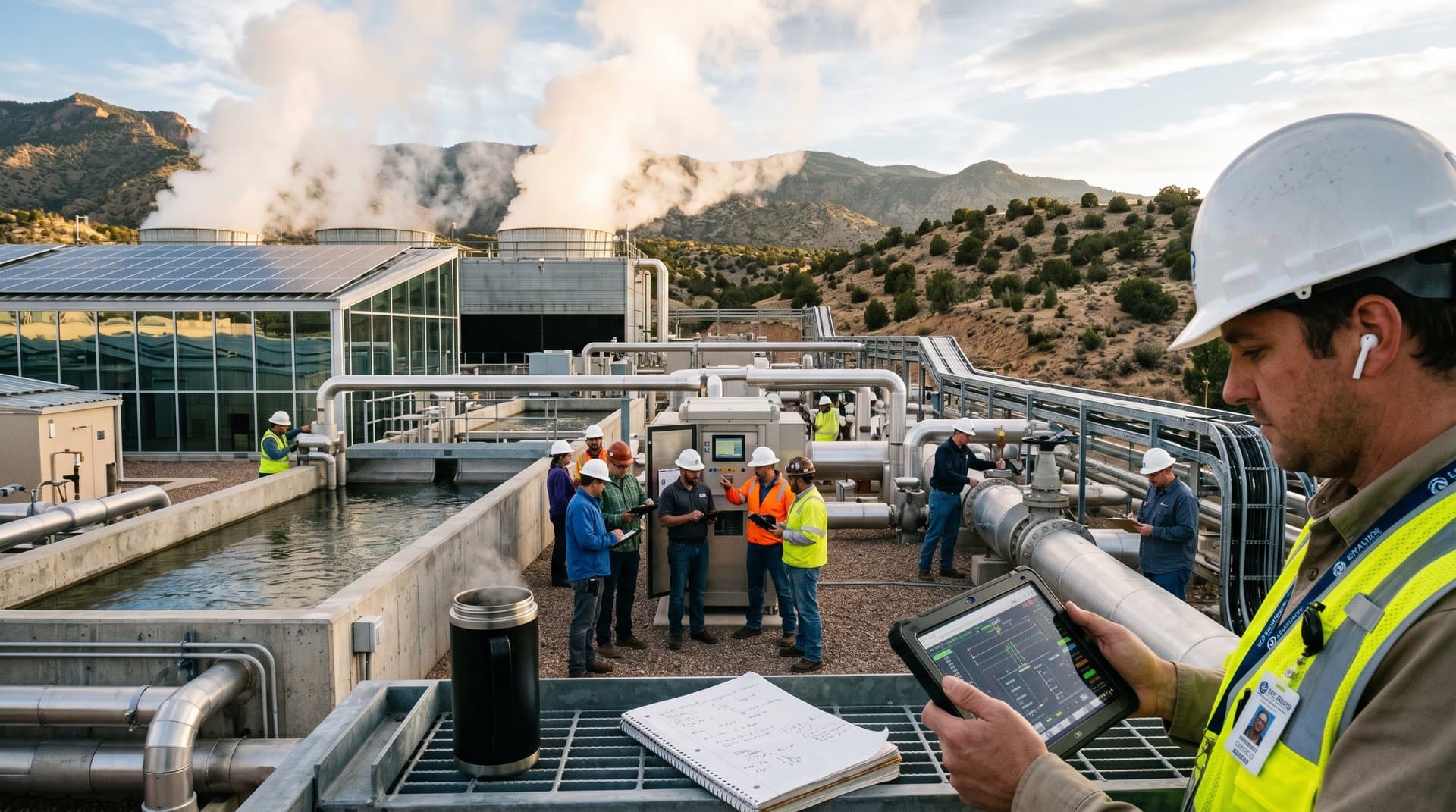
Los Alamos National Laboratory's AI infrastructure water usage totals 1.4 million gallons daily. Exascale supercomputers like Venado cool via evaporative towers drawing from the Rio Grande basin. This strains Albuquerque and Santa Fe amid multi-year droughts. (LANL Sustainability Report, 2023)
The U.S. Department of Energy (DOE) invests $8 billion through 2027 in the Exascale Computing Project. New Mexico aquifers recharge slowly with 12 inches of annual precipitation (NOAA data). Bernalillo County halts developments over water rights disputes.
Evaporative Cooling Powers Los Alamos AI Infrastructure Water Usage
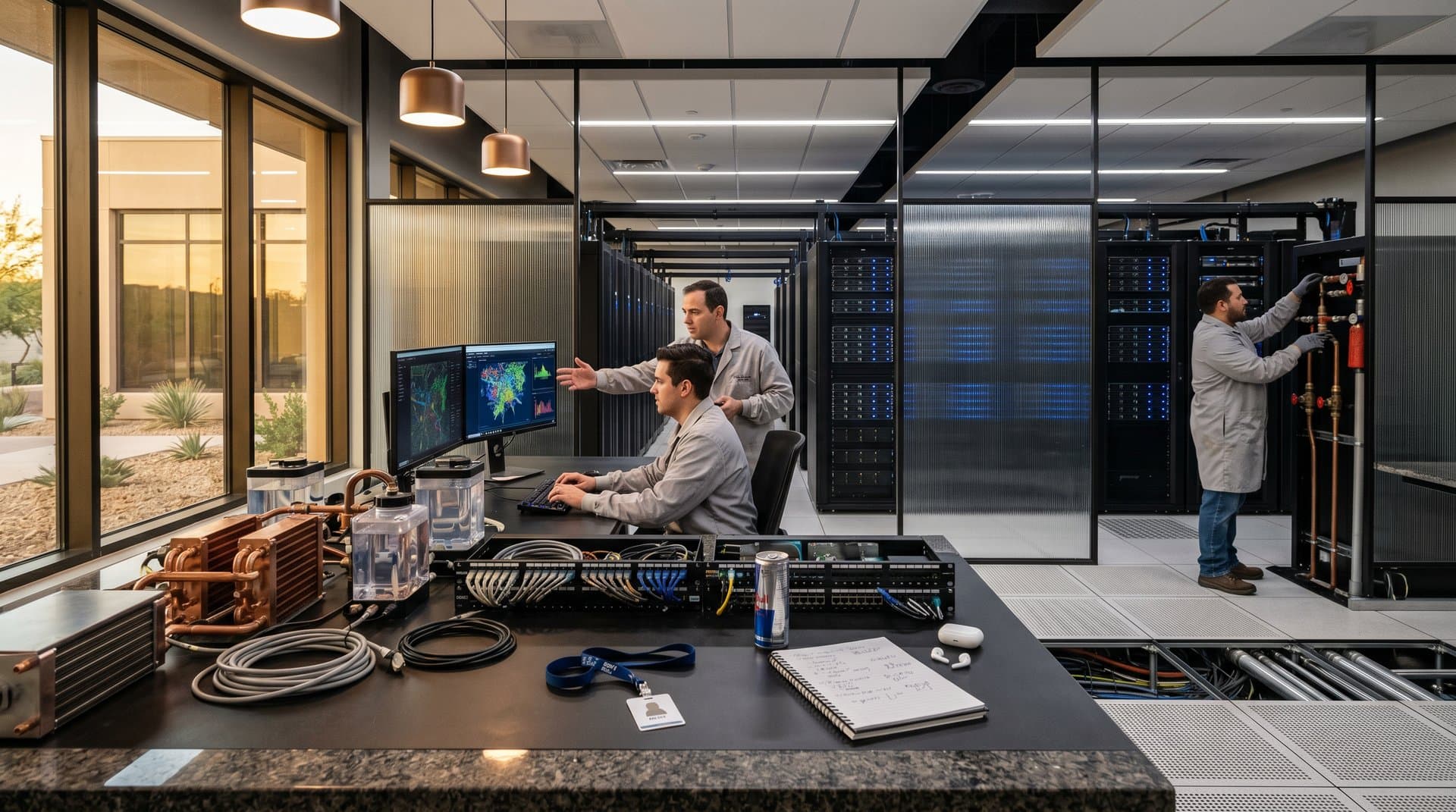
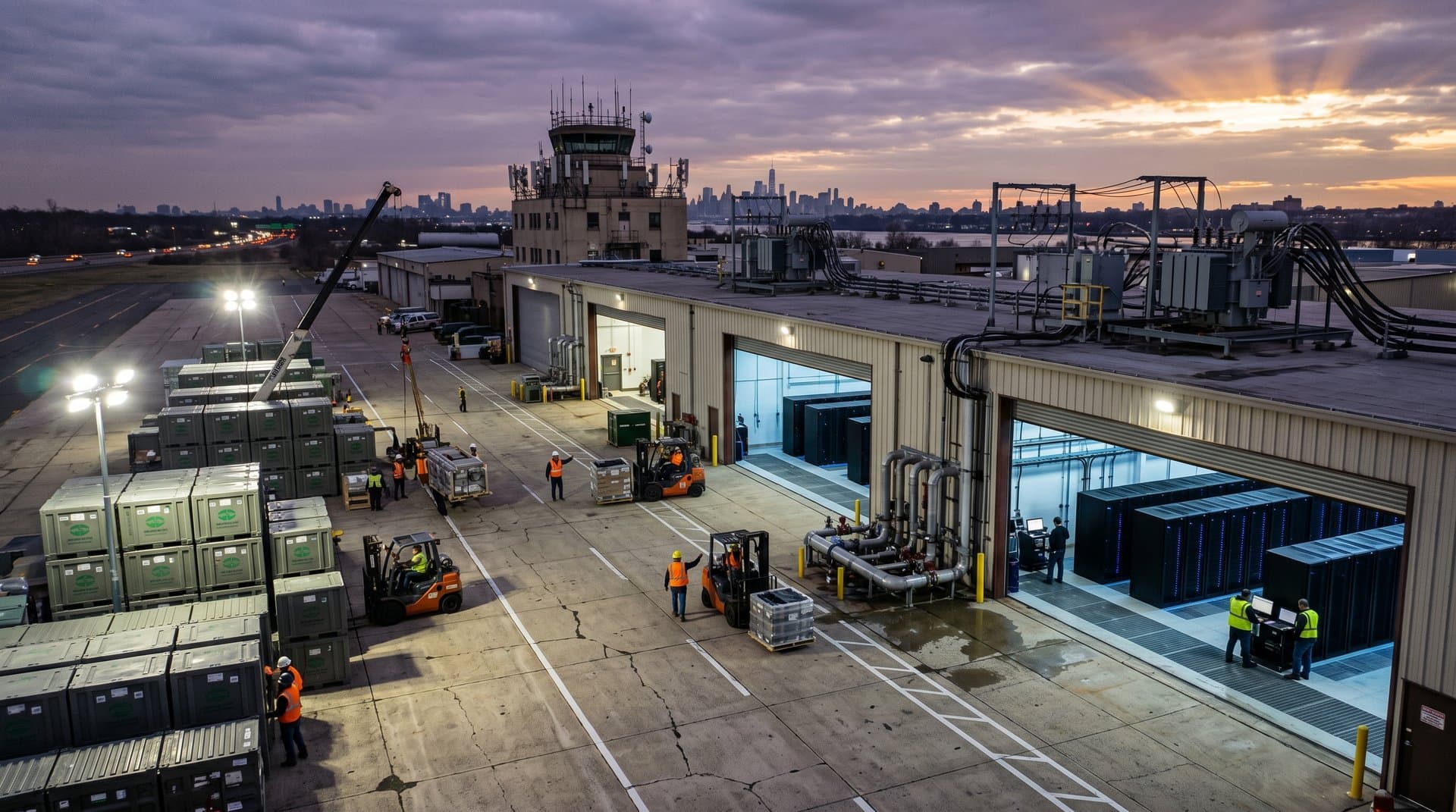
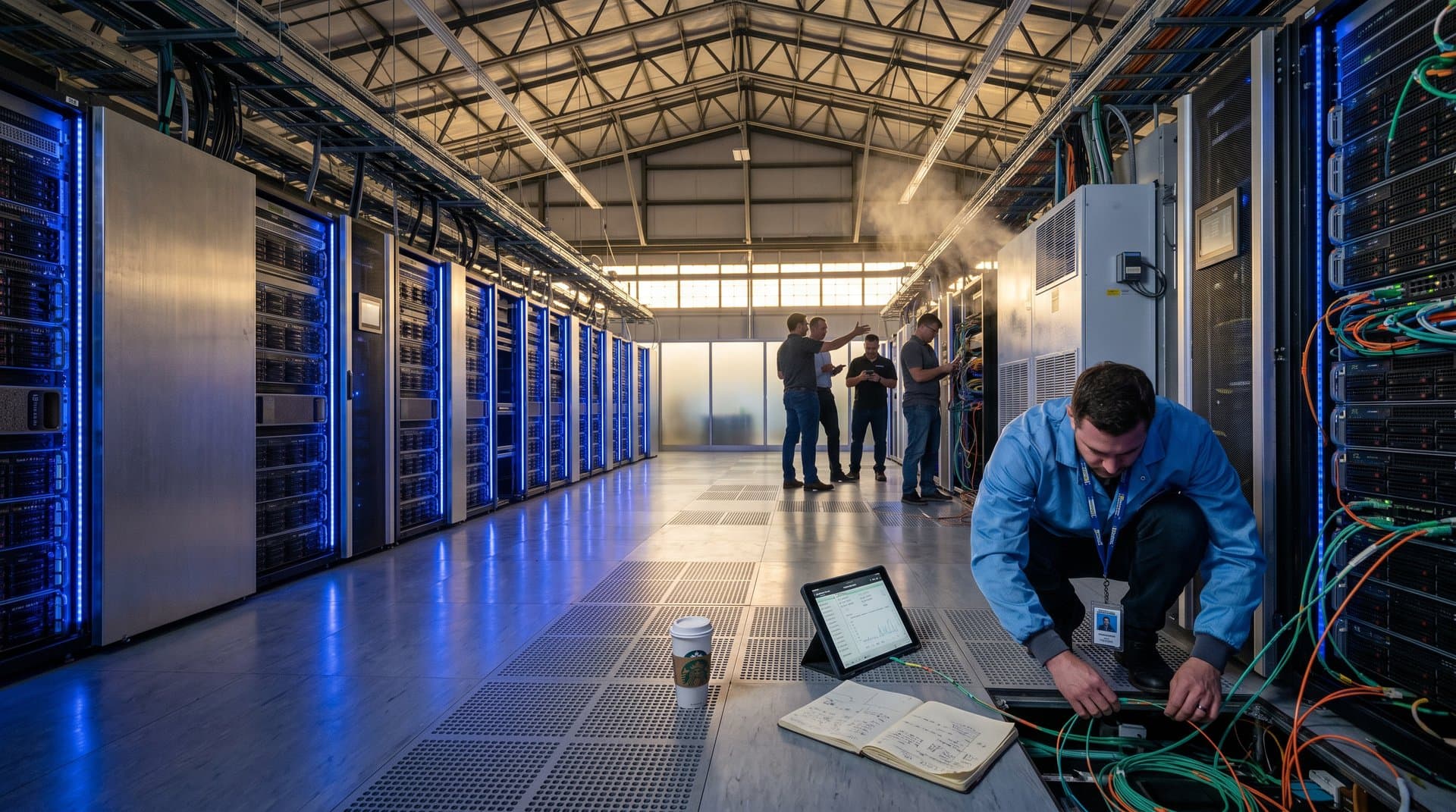
Venado deploys NVIDIA H100 GPU clusters in dense racks generating megawatts of heat. Cooling towers evaporate water at 1,000 BTU per pound. LANL replenishes 1.4 million gallons daily (LANL Sustainability Report, 2023).
Nuclear stockpile stewardship demands petaflops without live tests. LANL ranks high on the TOP500 list (DOE benchmarks). Hewlett Packard Enterprise (HPE) engineered Venado's liquid-cooled racks. Stainless steel towers rise 150 feet, lined with epoxy-coated concrete basins.
LANL targets 20% water reduction via 2022 recycling pilots (LANL water practices page).
Lab AI Infrastructure Water Usage Strains Urban Supplies
Albuquerque's 560,000 residents tap the Middle Rio Grande basin. Lab withdrawals cut city reservoir inflows 5-10% in dry years (U.S. Bureau of Reclamation). Santa Fe mandates low-flow fixtures in new builds.
Microsoft partners with DOE on onsite AI training. Hyperscalers eye New Mexico's $0.045/kWh power. Councils demand recycled water for data centers.
Bernalillo County gains 10,000 residents yearly. Lab's 13,000 employees drive $3.5 billion local GDP (University of New Mexico Economic Impact Study, 2023).
Droughts Amplify AI Infrastructure Water Usage Pressures
Los Alamos County gets 12 inches of rain yearly, half the U.S. average (NOAA). Growth clashes with lab needs. Pipelines strain despite 5 GW solar.
DOE projects doubled compute by 2030 (DOE AI initiatives). Global AI centers may hit 460 TWh yearly by 2026 (International Energy Agency).
Industrial rates reach $4.50 per 1,000 gallons (New Mexico Office of the State Engineer). LANL's cooling costs top $2.5 million annually.
Power Demands Tie to AI Infrastructure Water Usage
Supercomputers pull 30 MW, powering 25,000 homes. Cooling eats 40% of energy budgets. NVIDIA chips gain 20% efficiency per generation, but densities double.
Hyperscalers invest $2 billion in immersion cooling. Phoenix requires zero-discharge. Solar stabilizes grids at $25/MWh.
AI Infrastructure Water Usage Reshapes Local Life
Santa Fe tech workers depend on lab advances. Water alerts disrupt AI tasks. Neighborhoods cut usage 30% with smart irrigation (City of Albuquerque).
Albuquerque allocates $500 million in transit grants. Bike lanes link homes to labs. Singapore recycles 90% data center water; Los Alamos tests closed loops.
Sustainable Fixes Cut AI Infrastructure Water Usage
Labs use AI to predict aquifer recharge. Dielectric immersion slashes needs 90%. HPE Cray modular units reduce footprints.
DOE leads AI research (DOE national labs report). Blockchain tracks allocations. 2027 funds prioritize recycling over towers.
Investors target $10 billion green AI by 2028 (McKinsey). New Mexico offers tax breaks for sustainable tech, easing AI infrastructure water usage.
Frequently Asked Questions
How much water does Los Alamos AI infrastructure use daily?
The lab requires 1.4 million gallons for evaporative cooling of supercomputers like Venado handling AI and nuclear workloads. This replaces vapor losses from GPU heat.
What drives high water usage in AI supercomputers?
Dense GPU clusters produce extreme heat. Evaporative towers use basin water, absorbing 1,000 BTU per pound. Alternatives like immersion cut needs 90%.
How does lab water use affect Albuquerque?
Withdrawals reduce Rio Grande flows to city reservoirs. Droughts trigger conservation mandates. Population growth adds pressure on shared aquifers.
What sustainable solutions address AI water demands?
DOE pilots closed-loop recycling and dielectric immersion. AI optimizes distribution. Blockchain enables transparent usage trades.